
 The GreenHealth Editorial team
 Best Mental Health Apps: Expert Reviews of Features and Benefits
Choosing the right mental health app can feel overwhelming with so many options claiming to help. You want a tool that’s safe, backed by evidence, and respects your privacy. Our expert reviews break down key features, pricing, and who each app suits best—so you can find a mental health app that truly fits your needs. For more information, check out this resource.
Understanding Key Features

When exploring mental health apps, several key features set the best apart. Understanding these elements can help you make a well-informed choice that aligns with your needs.
Clinical Evidence and Effectiveness
Finding an app that works means looking at the science behind it. Apps with solid clinical evidence show they really help users. These tools are often studied in trials, where real people see real results. For example, some apps use proven methods like Cognitive Behavioral Therapy (CBT) to help manage anxiety or depression. This means you can trust the app to provide tangible benefits. The more an app is researched, the more likely it can make a real difference in your mental health.
Privacy and Security Standards
Your mental health data deserves strong protection. Choose apps that prioritize privacy and meet strict security standards. Many apps claim to be secure, but only those that truly safeguard your information should be considered. Look for apps that are HIPAA compliant; this ensures they meet high standards for protecting personal health information. Knowing your data is safe means peace of mind while using the app. Read more here.
Accessibility and Usability
A great mental health app should be easy for anyone to use. Whether you use a smartphone or a tablet, accessibility matters. Apps should have features that accommodate different needs, like voice commands or text-to-speech options. Usability means the app is straightforward, so you can focus on your well-being rather than figuring out how to use it. A user-friendly app ensures that you can access critical resources when you need them most.
Comparing App Categories
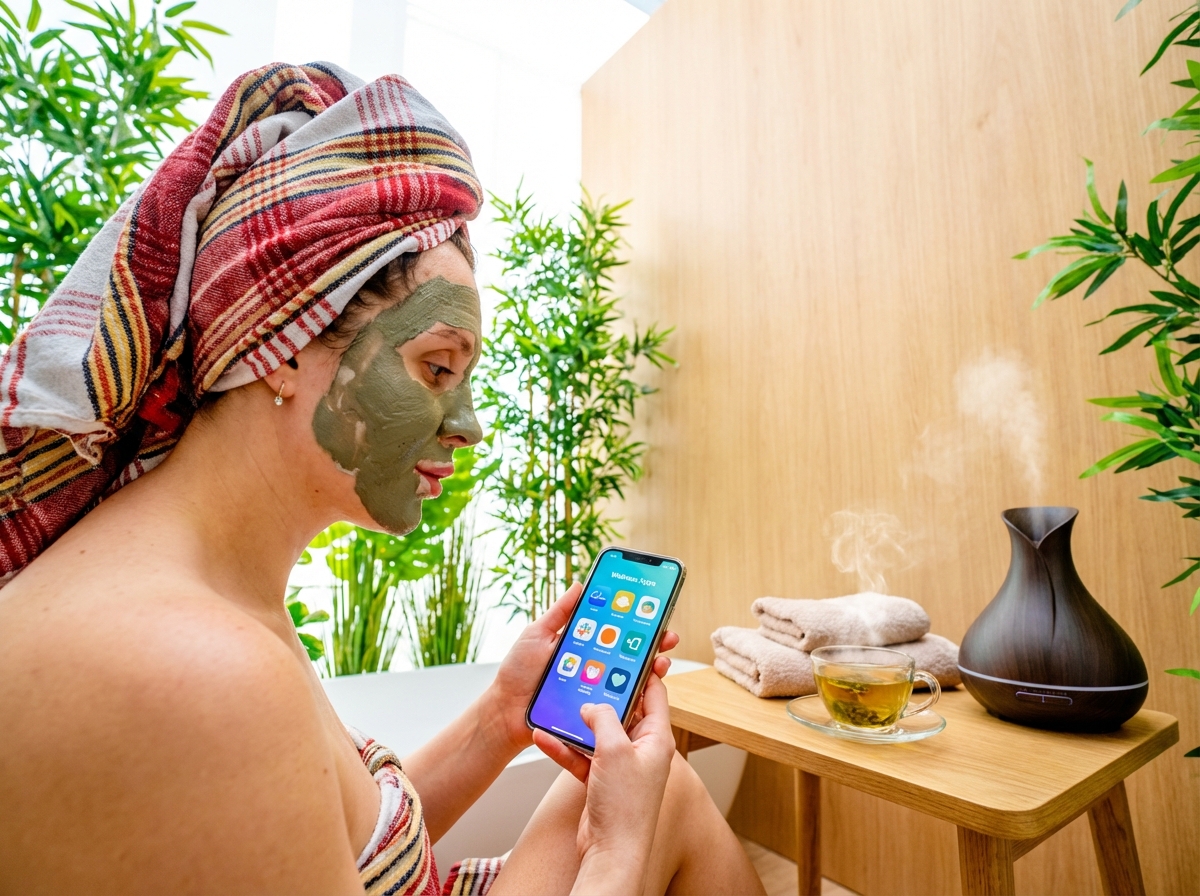
Different mental health apps cater to different needs. Understanding these categories can help you find what suits you best.
Cognitive Behavioral Therapy Apps
CBT apps are designed to help you manage thoughts and behaviors. These apps use structured exercises to change negative thinking patterns. This might include journaling or goal-setting tools. Users find these apps helpful for anxiety and depression. The structured approach means you follow a guided path to better mental health. Many people find CBT apps convenient since they can access therapy techniques right from their phone. Explore more options here.
Mindfulness and Meditation Apps
Mindfulness apps help you focus on the present moment. They often include guided meditations or breathing exercises. These apps can reduce stress and increase calmness. If you’re aiming to cultivate a daily mindfulness practice, these apps are a good fit. They offer a variety of sessions tailored to different needs, like better sleep or reduced anxiety. With regular use, mindfulness apps can significantly enhance your mental well-being.
Mood Tracking and Sleep Support
Mood tracking apps help you understand your emotional patterns. By logging daily feelings, you can spot trends and triggers. This awareness can lead to better management of emotions. Sleep support apps, on the other hand, aim to enhance rest quality. They may offer sleep sounds or bedtime routines. Combining mood tracking with sleep support can create a comprehensive approach to improving your mental health.
Choosing the Right App

Once you know what each category offers, choosing the right app becomes easier. But how do you decide which one is best for you?
Cost and Platform Comparisons
Different apps have different prices. Some are free, while others require a monthly fee. Understanding the cost upfront helps you decide what fits your budget. Also, check if the app is available on your device, be it iOS or Android. Some apps work on both, while others might not. Knowing the platform compatibility can save you from downloading an app that doesn’t work on your device.
Pros and Cons of Popular Apps
Each app has its strengths and weaknesses. Popular apps might offer a wide range of features, but some might lack specific tools you need. For instance, some apps are great for meditation but might not have mood tracking. Evaluating these pros and cons is essential. Most people think all apps are the same, but understanding these differences can help you choose more wisely.
Best Use Cases and Recommendations
Identifying your needs is key to choosing the best app. If you struggle with anxiety, a CBT app might be your best bet. For stress reduction, mindfulness apps are helpful. If you need better sleep, look into apps designed for that purpose. Once you know what you need, recommendations become more useful. Here’s the key insight: Align your app choice with your primary mental health goal, and you’ll likely see better results. Learn more about mental health apps here.
In summary, understanding the key features and benefits of mental health apps helps you make informed choices. By comparing app categories and evaluating their pros and cons, you can find the best tool to support your mental health journey.
