
 shereene idriss

Have you ever wondered how to keep your oily skin in check without relying on harsh products that may stress it even more? While managing oily skin can feel like a constant balancing act, the good news is that, with the right routine, you can effectively control shine while keeping your skin healthy and radiant. So, let’s explore how to build a skincare routine tailored to oily skin.
Understanding Oily Skin

What Causes Oily Skin?
To begin with, oily skin occurs when the sebaceous glands1 produce more sebum than the skin actually needs. Although sebum plays an important role in protecting and moisturizing the skin, excessive production can clog pores and trigger acne. Additionally, factors such as genetics, hormonal changes, diet, stress levels, and even climate can significantly influence how much oil your skin produces.
Characteristics of Oily Skin
Before creating a routine, it’s essential to recognize the common signs of oily skin. Generally, oily skin is characterized by:
- Shine and Greasiness: A shiny appearance, especially in the T-zone (forehead, nose, chin).
- Enlarged Pores: Pores appear more visible due to excess oil production.
- Frequent Acne Breakouts: Increased likelihood of blackheads, whiteheads, and pimples.
- Thicker Skin Texture: May feel rough or uneven at times.
Creating Your Skincare Routine
Morning Routine
Kick-starting your day with the right skincare can help control oil production and keep your skin looking fresh throughout the day. Here’s how you can structure your morning routine:
1. Cleanser
Choose a gentle, foaming cleanser that removes excess oil while being gentle on the skin. Look for ingredients like salicylic acid2 or glycolic acid3, which help to clear pore-clogging debris.
Sample Recommendation: Use a salicylic acid-based cleanser in the morning to balance oil levels without over-drying your skin.
2. Toner
Toners are crucial in removing any leftover impurities and balancing your skin’s pH. Opt for an alcohol-free toner that contains ingredients like witch hazel or niacinamide, known for controlling oil and minimizing pores.
Toner Tip: Apply toner gently with a cotton pad, focusing on the T-zone to get rid of any remaining oil.
3. Moisturizer
Even oily skin needs moisture. Choose a lightweight, non-comedogenic moisturizer4 that hydrates without clogging pores. Gel-based or water-based moisturizers are typically more suitable for oily skin.
4. Sun Protection
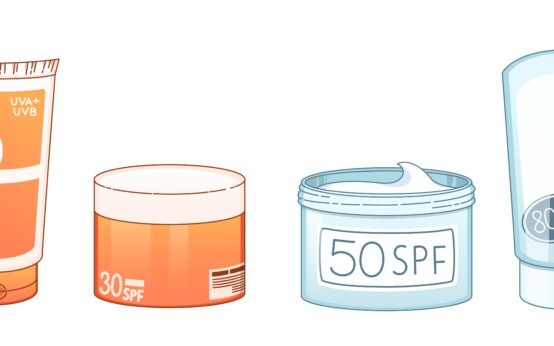
Never skip the sunscreen! Find a broad-spectrum, oil-free sunscreen with SPF 30 or higher. Sunscreen protects your skin from harmful UV rays, preventing premature aging and acne scars.
Evening Routine
Your evening routine should focus on deep cleansing and replenishing your skin. Here’s how you can wind down with an evening skincare routine:
1. Double Cleanse
Begin with an oil-based cleanser to gently remove makeup and sunscreen, followed by your regular foaming cleanser to thoroughly cleanse your skin.
2. Exfoliate (2-3 times a week)
Exfoliation helps remove dead skin cells and prevents clogged pores. Use a chemical exfoliant with AHAs or BHAs to promote cell turnover without causing micro-tears on your skin.
3. Treatment Products
Consider incorporating treatment products like serums5 or treatments containing active ingredients such as retinol or benzoyl peroxide to combat acne and regulate oil production.
Treatment Advice: Start with lower concentrations and gradually increase as your skin builds tolerance.
4. Moisturizer
End your day with a calming and hydrating moisturizer to soothe your skin and lock in all the goodness from your treatment products.
The Science of Oil Control: Ingredient Comparison
| Ingredient | Role | Mechanism | Best For |
| Salicylic Acid (BHA) | Exfoliant | Lipid-soluble; penetrates into the pore to dissolve “sebum glue.” | Blackheads & Clogged Pores |
| Niacinamide (Vitamin B3) | Regulator | Downregulates sebum production and strengthens the lipid barrier. | Persistent Shine & Large Pores |
| Benzoyl Peroxide | Antimicrobial | Kills C. acnes bacteria and dries active pustules. | Lipid-soluble; penetrates the pore to dissolve “sebum glue.” |
Clinical Evidence for Your Routine
According to a 2025 review in the Journal of Dermatological Research, a combination of 2% Salicylic Acid and Niacinamide was shown to reduce visible surface sebum by up to 28% over 4 weeks without compromising the skin’s natural barrier.
Pro Tip: If your skin is “oily but dehydrated” (a common issue known as Seaborrheic Dermatitis), avoid foaming cleansers with high pH levels. Instead, look for “pH-balanced” gel cleansers to keep your acid mantle intact.
Tips to Enhance Your Routine
Watch Your Diet
In addition to skincare products, your diet plays a role in skin health. Foods high in sugar, dairy, or refined carbohydrates may worsen oil production and breakouts. Instead, focus on antioxidant-rich foods, omega-3 fatty acids, and essential vitamins to support clear skin.
Stay Hydrated
Maintaining proper hydration levels is essential for healthy skin. Drinking adequate water helps keep your skin plump, supports detoxification, and can balance oil production.
Manage Stress Levels
Since stress can trigger hormonal fluctuations, managing it is crucial. Practices such as yoga, meditation, or regular exercise can help stabilize oil production and improve overall skin health.
Regular Skin Evaluation
Lastly, remember that your skin’s needs can change. Seasonal shifts, lifestyle habits, and aging all affect oil levels, so regularly reassess and adjust your routine accordingly.
Common Myths About Oily Skin
Myth 1: Oily Skin Doesn’t Need Moisturizing
Contrary to popular belief, skipping moisturizer can actually make oily skin worse. When skin lacks hydration, it often compensates by producing more oil. Therefore, using a lightweight moisturizer is essential.
Myth 2: Sunbathing6 Dries Up Oily Skin
While sun exposure may temporarily reduce oiliness, it ultimately damages the skin, leading to premature aging and pigmentation. As a result, sunscreen is always necessary.
Myth 3: Exfoliating Daily is Beneficial
Overexfoliating can strip your skin of its natural oils, leading to irritation and increased oil production. Stick to exfoliating 2-3 times per week to keep your skin in balance.
Myth 4: Oil-free Products are Always Better
Not all oil-free products are good for oily skin. Some oils, such as jojoba or squalane, can mimic the skin’s natural sebum, providing balance and moisture without clogging pores.

Benefits of Embracing Your Oily Skin
Embracing your skin’s natural characteristics can be empowering. Oily skin has its unique benefits, such as a natural glow and a slower aging process due to increased moisture. With the right routine, you can enhance these benefits and maintain beautiful, healthy skin.
Longer-Lasting Makeup
Natural oils can help makeup adhere better when paired with the right products..
Built-In Moisture
Your skin’s natural oils help keep it hydrated, leading to a youthful, dewy appearance. Proper skincare helps manage excess oil while maintaining this natural advantage.
Younger-Looking Skin
Because it retains moisture, oily skin often develops fewer fine lines and wrinkles over time.
Conclusion
Ultimately, building a skincare routine for oily skin is about balance, consistency, and understanding your skin’s unique needs. By using gentle, targeted products and supporting your routine with healthy lifestyle habits, you can effectively control shine while maintaining a clear, glowing complexion. Most importantly, listen to your skin and adjust your routine as needed to achieve long-term results.
Disclaimer: The information provided on GreenHealth is for educational purposes only and does not substitute for professional medical advice, diagnosis, or treatment. Always seek the advice of a dermatologist or other qualified health provider with any questions regarding a medical condition.
Last medically reviewed on October, 2025
How we reviewed this article:
Sources
GreenHealth has strict sourcing guidelines and relies on peer-reviewed studies, academic research institutions, and medical journals and associations. We only use quality, credible sources to ensure content accuracy and integrity. You can learn more about how we ensure our content is accurate and current by reading our editorial policy.
- Zouboulis, C. C. (2004). Acne and sebaceous gland function. Clinics in Dermatology, 22(5), 360-366. https://doi.org/10.1016/j.clindermatol.2004.03.004 ↩︎
- Arif T. Salicylic acid as a peeling agent: a comprehensive review. Clin Cosmet Investig Dermatol. 2015;8:455-461
https://doi.org/10.2147/CCID.S84765 ↩︎ - Cotellessa, C., Peris, K., & Chimenti, S. (1995). Glycolic acid and its use in dermatology. Journal of the European Academy of Dermatology and Venereology, 5(3), 215-217. https://doi.org/10.1016/0926-9959(95)00084-5 ↩︎
- Comedogenicity in cosmeceuticals: A review of clinical relevance, regulatory gaps, and future directions. Starzyk, Tory et al.JAAD Reviews, Volume 6, 78 – 83 https://doi.org/10.1016/j.jdrv.2025.09.002 ↩︎
- Serums (2020) https://www.healthline.com/health/benefits-of-face-serum ↩︎
- Van der Rhee, H., De Vries, E., & Coebergh, J. (2016). Regular sun exposure benefits health. Medical Hypotheses, 97, 34-37. https://doi.org/10.1016/j.mehy.2016.10.011 ↩︎
Read This Next
-
Popular Anti-Aging Skincare Products That Actually Work
Discover science-backed anti-aging skincare products loved worldwide to maintain a…
-

How To Exfoliate Your Skin Safely At Home
Discover safe at-home exfoliate tips to rejuvenate your skin. Learn…
-
Glowing Skin Secrets: Natural Tips That Really Work
Discover natural ways to achieve glowing skin with simple routines,…

 10 Popular Skincare Myths That Are Wrecking Your Glow
  How To Choose The Right Moisturizer For Your Skin Type
  Glowing Skin Secrets: Natural Tips That Really Work
  How To Exfoliate Your Skin Safely At Home
  Popular Anti-Aging Skincare Products That Actually Work