
 shereene idriss

Have you ever found yourself puzzled about which sunscreen1 to choose, how often to apply it, or what those SPF numbers really mean? Protecting your skin from the sun is more crucial than many realize, and understanding the basics of sunscreen can help you make informed choices for your skin’s health.
Why Sunscreen is Essential
The importance of sunscreen cannot be overstated. Ultraviolet (UV) rays from the sun can be incredibly harmful, not just in terms of immediate sunburn2 but also in long-term skin damage. These rays can accelerate skin aging, cause hyperpigmentation3, and increase the risk of skin cancer. By using sunscreen properly, you protect your skin from these harmful effects.
Types of UV Rays
Two main types of UV rays affect your skin: UVA and UVB4. Both can damage your skin, but they do it in different ways.
- UVA Rays: These rays have a longer wavelength and are associated with skin aging. They can penetrate through windows and clouds, affecting you even indoors or on cloudy days.
- UVB Rays: With a shorter wavelength, these rays are responsible for sunburn and play a key role in the development of skin cancer. They tend to be stronger during the midday hours.
Understanding the difference between these rays can help you choose one that offers comprehensive protection.
Decoding SPF: What It Really Means
SPF, or Sun Protection Factor5, is a measure of how well it will protect your skin from UVB rays. However, it’s essential to remember that no sunscreen can block 100% of these rays.
SPF Numbers and Protection Levels
Here’s how SPF numbers stack up:
| SPF Number | UVB Protection |
|---|---|
| SPF 15 | About 93% |
| SPF 30 | About 97% |
| SPF 50 | About 98% |
While a higher SPF offers slightly better protection, it doesn’t mean you can stay out in the sun longer without reapplying.
Debunking SPF Myths
One common myth is that SPF 100 offers double the protection of SPF 50, which isn’t the case. Higher SPFs offer marginally better protection but can sometimes give a false sense of security, leading people to stay in the sun longer than recommended. Regular reapplication and broad-spectrum usage are more effective strategies.
Understanding Broad-Spectrum Sunscreens
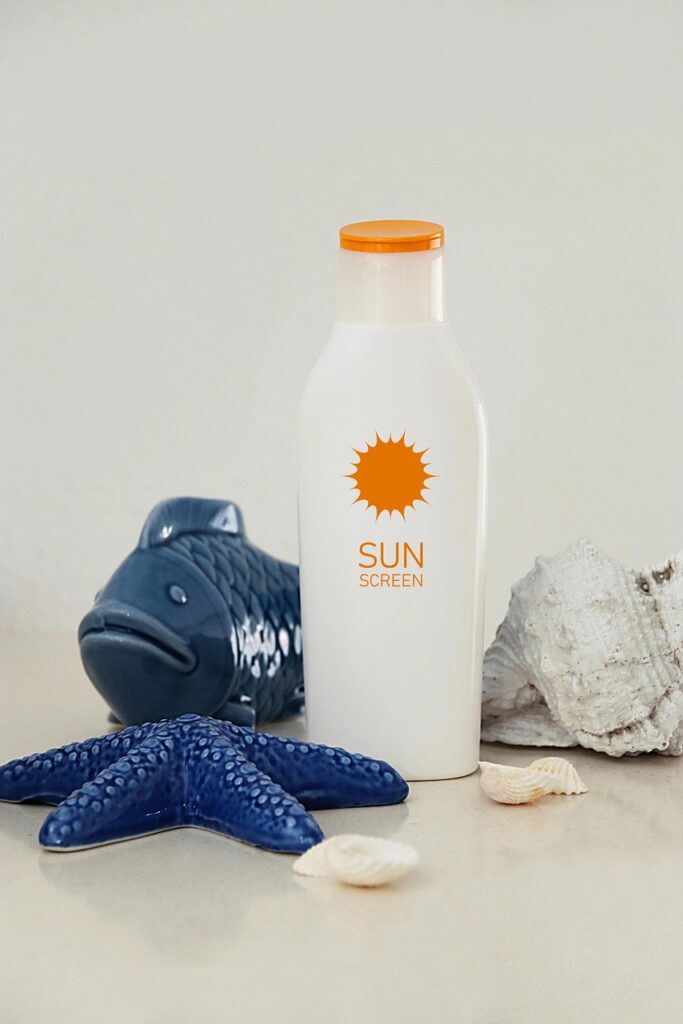
Broad-spectrum sunscreens protect against both UVA and UVB rays. Choosing a broad-spectrum sunscreen is crucial as it ensures comprehensive skin protection.
Ingredients to Look For
To provide this dual protection, look for sunscreens containing ingredients like:
- Zinc Oxide: Effective at blocking both UVA and UVB rays.
- Titanium Dioxide: Offers protection primarily against UVB rays and short UVA rays.
- Avobenzone: A chemical that provides full coverage against the entire UVA range.
Chemical vs. Physical Sunscreens
Sunscreens can be broadly categorized into chemical and physical blocks, both of which protect your skin but through different mechanisms.
Differences Between the Two
- Chemical Sunscreens: Absorb UV radiation and convert it into heat. Ingredients often include oxybenzone, avobenzone, and octisalate.
- Physical Sunscreens: Sit on top of the skin and physically block rays. Ingredients typically are zinc oxide and titanium dioxide.
Choosing between the two often comes down to personal preference, skin type, and potential sensitivities or allergies.
Benefits of Physical Sunscreens
Physical sunscreens tend to be less irritating to sensitive skin and begin protecting immediately upon application. However, they can sometimes leave a white cast, which isn’t ideal for darker skin tones.
Tips for Applying Effectively
Effective sunscreen application is essential for ensuring your skin is adequately protected.
How Much to Use
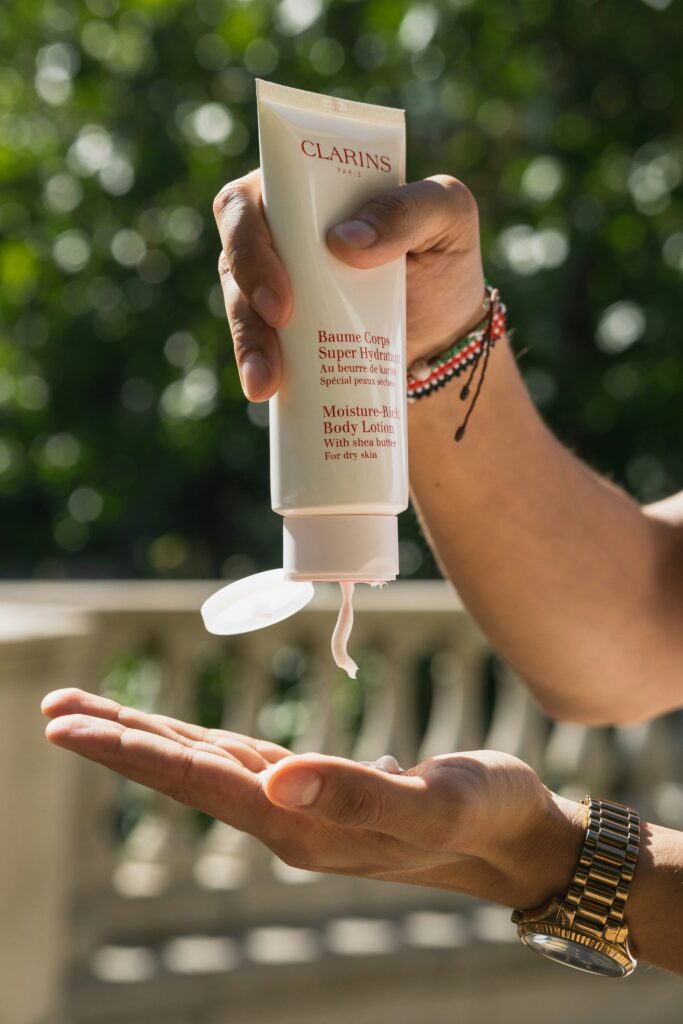
A common mistake is not applying enough. Dermatologists recommend using about one ounce (a shot glass full) to cover your entire body. For your face, a nickel-sized amount is usually sufficient.
When and How Often to Apply
- Before Going Outdoors: Apply it about 15 minutes before exposure to allow it to absorb and start protecting.
- Reapplication: Reapply every two hours or immediately after swimming, sweating, or towel drying.
Sunscreen for Different Skin Types
Not all are created equal, and your skin type plays a significant role in which sunscreen will work best for you.
Oily or Acne-Prone Skin
Look for oil-free or non-comedogenic formulations that won’t clog your pores. Gel-based sunscreens or those specifically designed for oily skin might be ideal.
Dry or Sensitive Skin
Opt for sunscreens with additional moisturizing ingredients like hyaluronic acid. Mineral-based sunscreens often suit sensitive skin better due to their gentler formulations.
Darker Skin Tones
Individuals with darker skin tones should look for sunscreens that don’t leave a white cast. Many now offer tinted versions that blend better with deeper skin tones.
Choosing a Sunscreen for Babies and Kids
Children’s skin is more sensitive, making it even more pivotal to protect them from sunburns and UV damage.
Safe Ingredients for Kids
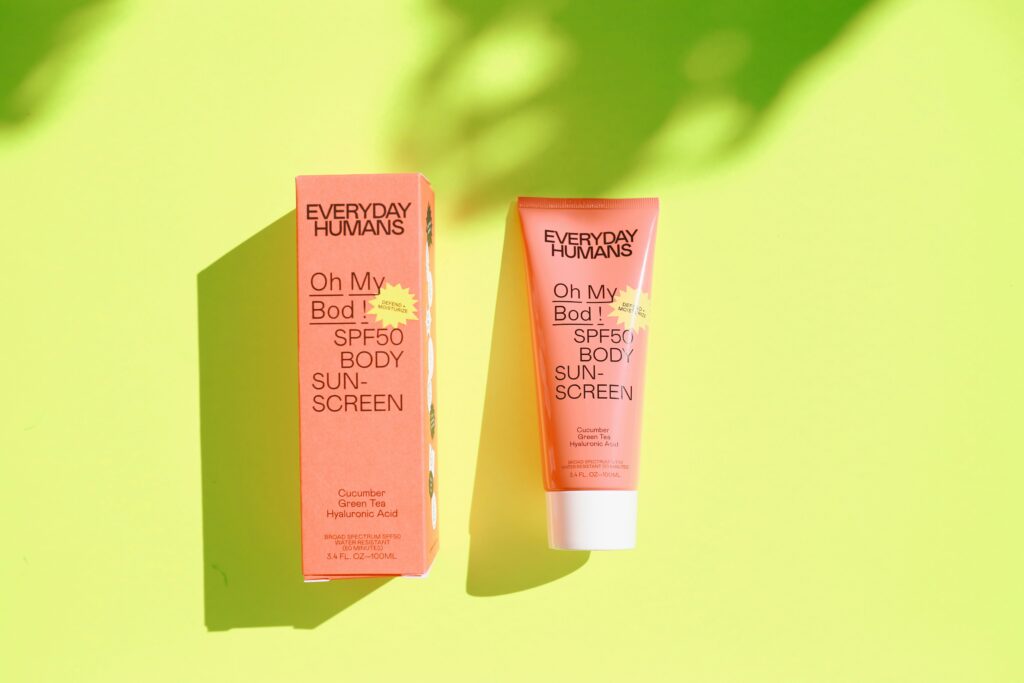
Use it with ingredients like zinc oxide or titanium dioxide, as they are gentle and less likely to irritate.
Kid-Friendly Formulations
Aim for formulations that are water-resistant since kids are often in and out of water, and stick formats that won’t get in their eyes.
Common Sunscreen Mistakes
Even with the best intentions, you might be making some common mistakes when it comes to sunscreen application or selection.
Overlooking Specific Body Parts
Don’t forget about easily missed areas like your ears, the back of your neck, and the tops of your feet. These spots are often overlooked but are susceptible to sunburn.

Applying Once a Day
Relying on a single morning application is a widespread mistake. Always reapply every couple of hours, especially when engaging in outdoor activities.
Ignoring Expiry Dates
Like other skincare products, it has a shelf life. Expired ones offer reduced or ineffective protection, so always check the expiration date.
Myths and Misconceptions
There are numerous myths surrounding it that can lead to inadequate protection if believed. “You Don’t Need Sunscreen on Cloudy Days.” A significant percentage of UV rays6 can penetrate clouds, so it’s crucial to wear it even when it’s overcast. “Dark Skin Doesn’t Need Sunscreen.” While darker skin has more melanin, which does offer some natural protection, it’s not enough to prevent UV damage and potential long-term effects like skin cancer. “Sun Exposure is Needed for Vitamin D.” Sun exposure does help the body produce vitamin D, but the risks outweigh the benefits when it comes to prolonged exposure without protection. Dietary sources and supplements are safer alternatives.
Choosing the Right Sunscreen for Your Lifestyle
Your activities and lifestyle can greatly influence what type you should use.

Outdoor vs. Indoor Environments
If you’re mainly indoors with occasional sun exposure, a lower SPF with added moisturizing components might suffice. For outdoor enthusiasts, a higher SPF with water and sweat resistance is recommended.
activewear and Sweat-Resistant Options
If you spend a lot of time working out or playing sports outdoors, opt for sweat-resistant and durable sunscreens that won’t run into your eyes. Look for labels indicating prolonged water resistance if swimming is involved.
Conclusion
Understanding sunscreen basics helps you make informed decisions to protect your skin from harmful UV rays. Through the right choice of SPF, formulation, and regular application, you can enjoy the sun safely, reduce risks of skin damage, and maintain healthier skin for the long term. Whether you are choosing it for outdoor activities, everyday use, or specialized needs like sensitive skin, your skin deserves nothing but the best protection. Stay sun-safe and reflect on how these tips can fit into your life, ensuring a sunny day doesn’t end in discomfort or damage to your precious skin.
And remember, when in doubt, consult a dermatologist to find the right routine best suited to your skin’s unique needs. You deserve the confidence that comes with knowing you’re protected, so you can relax and enjoy sunny days ahead.
Last medically reviewed on December, 2025
How we reviewed this article:
Sources
GreenHealth has strict sourcing guidelines and relies on peer-reviewed studies, academic research institutions, and medical journals and associations. We only use quality, credible sources to ensure content accuracy and integrity. You can learn more about how we ensure our content is accurate and current by reading our editorial policy.
- Adler, B.L., DeLeo, V.A. Sunscreen Safety: a Review of Recent Studies on Humans and the Environment. Curr Derm Rep 9, 1–9 (2020). https://doi.org/10.1007/s13671-020-00284-4 ↩︎
- Sunburn (2023)
https://my.clevelandclinic.org/health/diseases/21858-sunburn ↩︎ - Chaowattanapanit, S., Silpa-archa, N., Kohli, I., Lim, H. W., & Hamzavi, I. (2017). Postinflammatory hyperpigmentation: A comprehensive overview: Treatment options and prevention. Journal of the American Academy of Dermatology, 77(4), 607-621. https://doi.org/10.1016/j.jaad.2017.01.036 ↩︎
- UVA and UVB (2025)
https://www.webmd.com/melanoma-skin-cancer/difference-between-uva-rays-and-uvb-rays ↩︎ - Cole, C. (2001). Sunscreen protection in the ultraviolet A region: How to measure the effectiveness. Photodermatology, Photoimmunology & Photomedicine, 17(1), 2-10. https://doi.org/10.1034/j.1600-0781.2001.017001002.x ↩︎
- UV Rays (2022)
https://my.clevelandclinic.org/health/diseases/10985-ultraviolet-radiation ↩︎
History
Our experts continually monitor the health and wellness space, and we update our articles when new information becomes available.
- May 13, 2025
Written by
Shereen Idris - December 20, 2025
Medically reviewed by
Dr. Sophia L. Hart, MD
Read This Next
-

10 Popular Skincare Myths That Are Wrecking Your Glow
Discover the truth behind popular skincare myths. From sun protection…
-

Anti Aging Skincare: The Best Ingredients
Discover top anti-aging skincare ingredients like retinoids, vitamin C, and…
-
Glowing Skin Secrets: Natural Tips That Really Work
Discover natural ways to achieve glowing skin with simple routines,…

 10 Popular Skincare Myths That Are Wrecking Your Glow
  The Most Popular Skincare Trends Of 2026
  Glowing Skin Secrets: Natural Tips That Really Work
  Beginner’s Guide To Mindfulness Meditation
  The Ultimate Guide To Understanding Mental Health
  Popular Anti-Aging Skincare Products That Actually Work